TURNING A MARKET BLIND SPOT INTO REVENUE OPPORTUNITY
The Problem
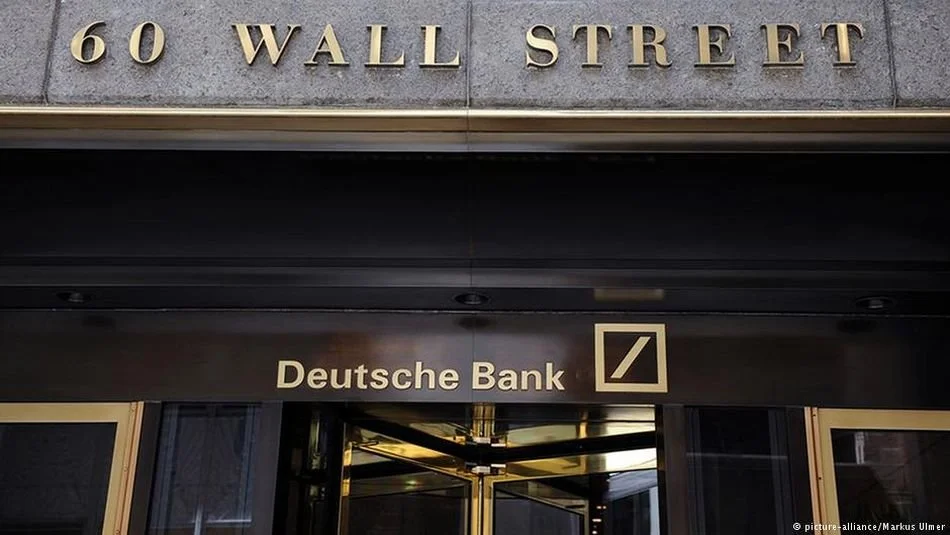
While working on a U.S. Agency trading desk at Deutsche Bank, our business operated in a market where billions of dollars of securities were issued and traded daily.
Winning new business depended partly on anticipating when institutional investors would have capital coming back to them — and therefore potentially need somewhere new to put it.
The information existed.
The problem was making it visible enough to act on.
What I Saw
Secondary trading activity, new issuance and upcoming maturities provided clues about where future demand could emerge.
But without consolidating that information, it was difficult to quickly see where meaningful funding gaps and opportunities were developing.
I saw an opportunity to turn scattered market information into something commercially actionable.
What I Built
I created a model that brought together secondary trading activity, new issuance and upcoming maturities from Bloomberg to visually identify where significant amounts of capital would soon be returning to the market.
Instead of simply reacting when an opportunity appeared, we could see potential funding needs developing ahead of time.
Business Impact
That visibility allowed our desk to become more proactive in sourcing new transactions and matching issuers seeking funding with institutional clients looking to redeploy capital.
The model supported revenue-generating conversations by helping us identify opportunities earlier rather than waiting for them to become obvious.
We tripled our trading volumes & became a top 5 issuer counterparty and the highest earning Agency desk amongst our European Investment Banking competitors.
The Principle I Still Use
Businesses often already have the information they need. The opportunity is hidden because nobody has connected it in a way that makes the next decision obvious.
Today, I bring that same financial and analytical lens to operating businesses: understanding where money and resources are going, identifying what isn't being fully utilized, and turning that information into practical decisions.
Certain details have been generalized to protect confidential and proprietary information.